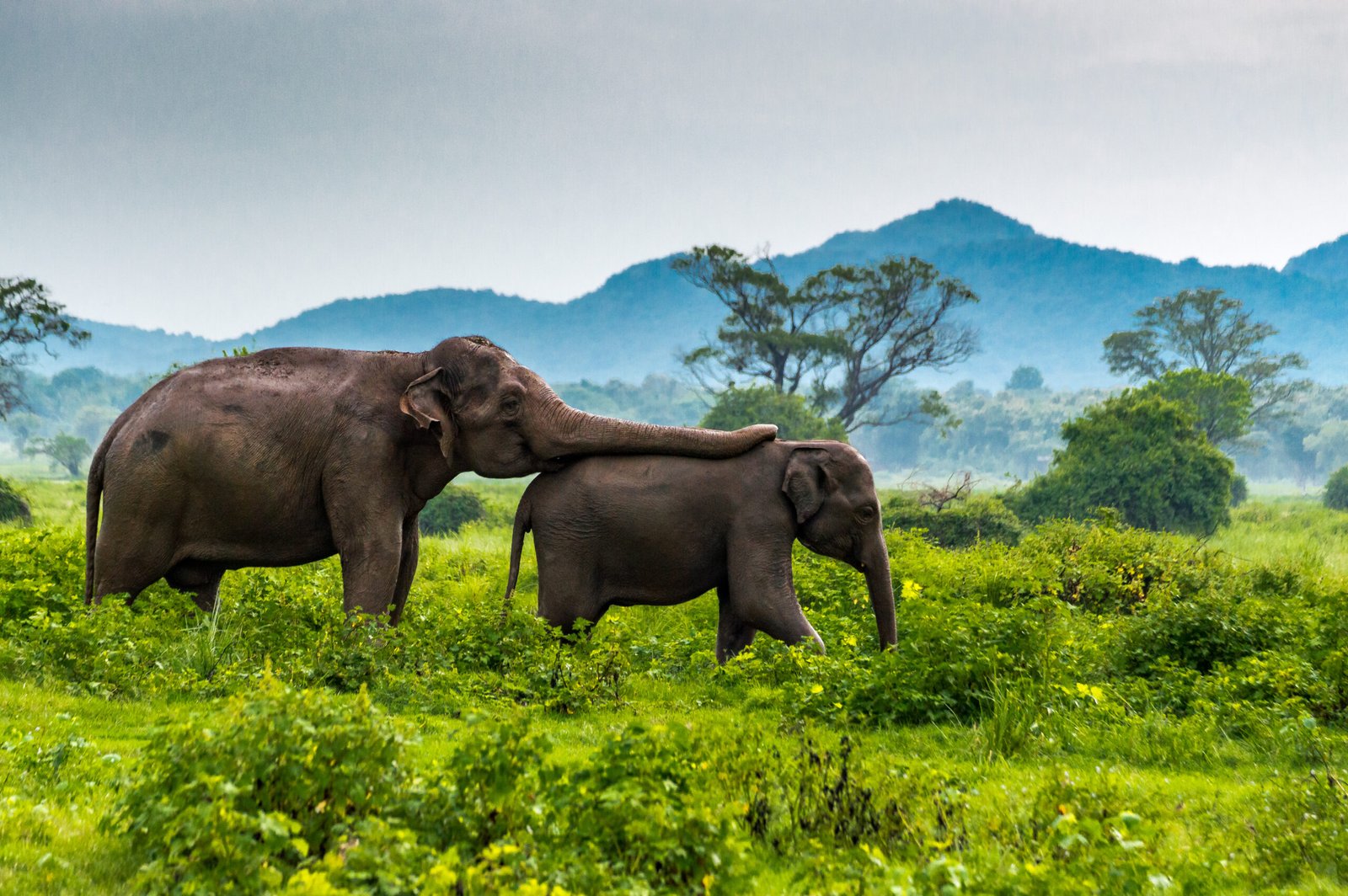
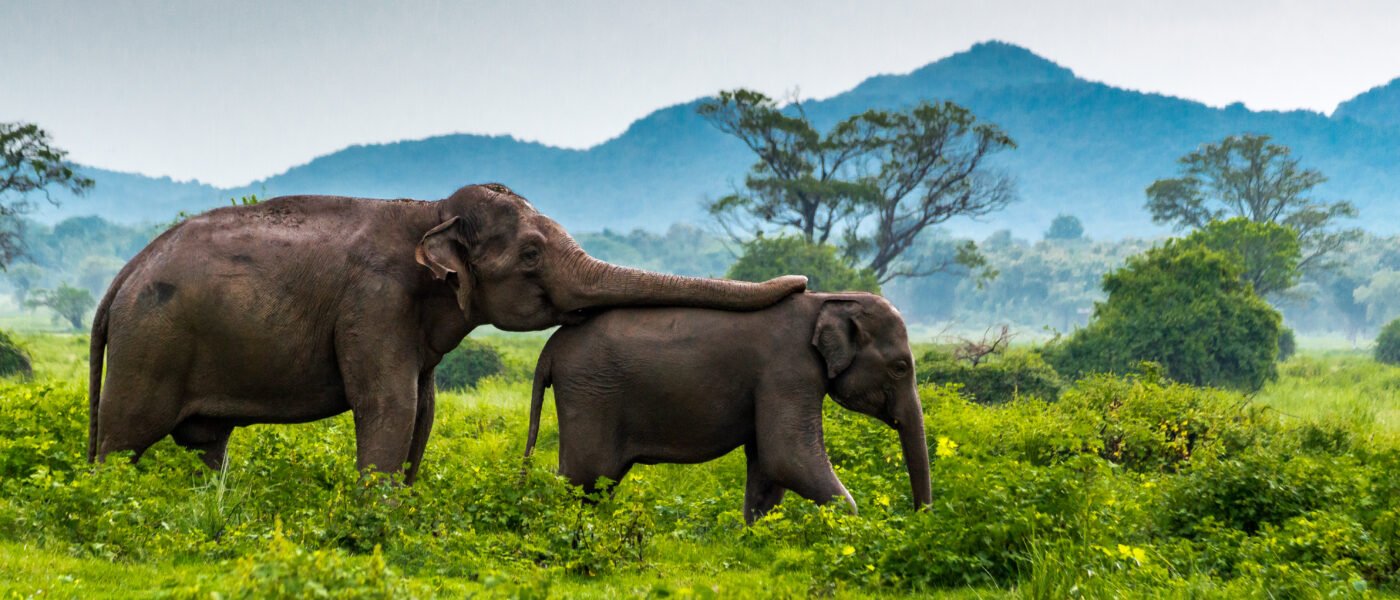
Sri Lanka packs an unusual amount of wildlife into a small area — it’s one of the few places on earth where you have a realistic shot at seeing wild leopards, elephants and whales all on the same trip. Here’s how to plan a safari that actually delivers sightings, rather than a long, hot drive with nothing to show for it.
Sri Lanka’s safari parks at a glance
- Yala — leopards, sloth bears, elephants. Best February to June.
- Wilpattu — leopards with far fewer jeeps. Best in the dry months, roughly February to October.
- Udawalawe — the most reliable park for elephants, good year-round.
- Minneriya and Kaudulla — the elephant “Gathering”, roughly July to October.
- Gal Oya — boat safaris, with a chance of elephants swimming between islands.
- Bundala — wetland birdlife, at its best with migratory birds from about October to March.
- Whale watching — Mirissa from about November to April, Trincomalee from about May to September.
Yala National Park: leopards and the big-name safari
Yala has one of the highest leopard densities of any park in the world, which is why it’s Sri Lanka’s most visited national park — and also its most crowded, with jeep queues at popular sighting spots in peak season. Alongside leopards, Yala is reliable for elephants, sloth bears, crocodiles and a huge range of birdlife. The best months are February to June, in the dry season, when animals gather more predictably around the park’s remaining water sources.
Yala’s main block usually closes for several weeks around September and October each year to give the park a rest during the driest stretch. If your dates fall then, check before you plan around it — or switch to Wilpattu or Udawalawe.
Wilpattu: leopards without the crowds
Wilpattu, in the north-west, is Sri Lanka’s largest national park, a landscape of dense forest broken up by natural lakes known as villus. Leopards live here too, along with sloth bears, elephants and spotted deer, but the park is so much bigger and quieter than Yala that you’ll often have a sighting to yourself. Sightings take more patience because the forest is thicker — the trade-off is a far more peaceful experience. It fits well with a Cultural Triangle route or a stay on the north-west coast.
Udawalawe: the reliable elephant park
If elephants are the priority, Udawalawe is the safer bet than Yala — its open grassland makes sightings easier, and the park is home to several hundred elephants along with an elephant transit home that rehabilitates orphaned calves. It’s also considerably less crowded than Yala, making for a more relaxed few hours in the jeep.
Minneriya, Kaudulla and the “Gathering”
Between roughly July and October, Minneriya National Park hosts one of Asia’s most remarkable wildlife events: hundreds of wild elephants converge on the receding reservoir to graze and drink, in a seasonal event known simply as “the Gathering.” Outside these months the park still has healthy elephant numbers, just not the same concentration.
The herds move between Minneriya and neighbouring Kaudulla depending on where the water and grazing are best, so local guides decide on the day which park to enter. Both are an easy drive from Habarana and Sigiriya.
Gal Oya and Bundala: something different
Gal Oya, in the east, is one of the few places in Sri Lanka where you can go on safari by boat. Trips cross the Senanayake Samudra reservoir, and with luck you may see elephants swimming between its islands. Bundala, on the south coast near Yala, is a protected wetland and one of the country’s best birdwatching spots, with flamingos and other migratory birds in the cooler months.
Whale and dolphin watching
Sri Lanka’s “safari” doesn’t stop at the coast. From about November to April, boats leave Mirissa on the south coast to look for blue whales, sperm whales and spinner dolphins. When the season swings to the east coast, roughly May to September, Trincomalee becomes the place to go. Pairing a land safari with a whale-watching morning is one of the easiest ways to make a wildlife trip feel complete.
What a safari day actually looks like
Most safaris run as early-morning or late-afternoon jeep drives, timed around when animals are most active and the heat is manageable — a 5:30am start is normal, not a punishment. Full-day safaris exist but tend to have a long, quiet midday stretch; two shorter drives usually deliver more sightings per hour spent in the vehicle.
Practical safari tips
- Bring binoculars — leopards and birds are often further away than you’d hope.
- Wear neutral colours and bring a light layer: open jeeps are chilly at dawn and hot by mid-morning.
- Pack sunscreen, a hat and water. There is little shade in the jeep.
- Choose a responsible driver. A good guide keeps a respectful distance and won’t race to join a crowd of jeeps around a leopard.
- Don’t count on one drive. Two or three drives across different parks give you a far better chance than one long day in a single park.
Combining safaris with the rest of your trip
Yala pairs naturally with the south coast — many travellers safari in the morning and are on a Mirissa or Tangalle beach by the afternoon. Udawalawe and Minneriya sit closer to the hill country and Kandy, making them easy to fold into a Cultural Triangle route without a big detour. For month-by-month timing across the whole island, see our guide to the best time to visit Sri Lanka.
We build safari days into several of our itineraries, including our Sri Lanka Wildlife Safari tour. If you want wildlife to be the centrepiece of your trip rather than a side stop, tell us your dates and we’ll route the itinerary around the parks and seasons that give you the best chance of a real sighting.
Frequently Asked Questions
What is the best national park for a safari in Sri Lanka?
It depends on what you want to see. Yala has one of the highest leopard densities in the world, Udawalawe is the most reliable park for elephants, and Wilpattu offers leopards with far fewer jeeps. Between roughly July and October, Minneriya and Kaudulla host the elephant "Gathering".
When is the best time for a safari in Sri Lanka?
For Yala and the south, February to June is best, when animals gather around the remaining water sources. Minneriya and Kaudulla are at their best from roughly July to October. Udawalawe is good year-round.
Can you see leopards in Sri Lanka?
Yes. Yala and Wilpattu are the best parks for leopards. Yala has more leopards but also more jeeps; Wilpattu is quieter, though sightings take more patience because the forest is denser.
Is Yala National Park open all year?
Yala's main block usually closes for several weeks around September and October each year. Check before you plan around it, or visit Wilpattu or Udawalawe instead during that period.
How long is a safari in Sri Lanka?
Most safaris are early-morning or late-afternoon jeep drives of a few hours, when animals are most active. Two shorter drives usually deliver more sightings than one full day in the park.
Can you combine a safari with a beach holiday in Sri Lanka?
Yes. Yala is close to the south coast, so you can do a morning safari and be on a beach in Mirissa or Tangalle by the afternoon. From about November to April you can also go whale watching from Mirissa.